By. Dr. Ramesh Paladugu, MD, RVT, RPVI, FACS | Dr. Mythili Paladugu, MD, DABA, RPVI
Non-healing wounds are often caused by poor circulation. When blood flow to the legs or feet is reduced, tissue cannot receive enough oxygen to heal properly. In some cases, abnormal vein function can also lead to swelling, skin breakdown, and venous ulcers.
At Texas Vascular & Vein Center in Fort Worth, we evaluate and treat both arterial and venous causes of non-healing wounds to prevent infection, tissue damage, and limb loss.
If your wound has not improved after 2–4 weeks, a vascular evaluation may be necessary.
What Is a Non-Healing Wound?
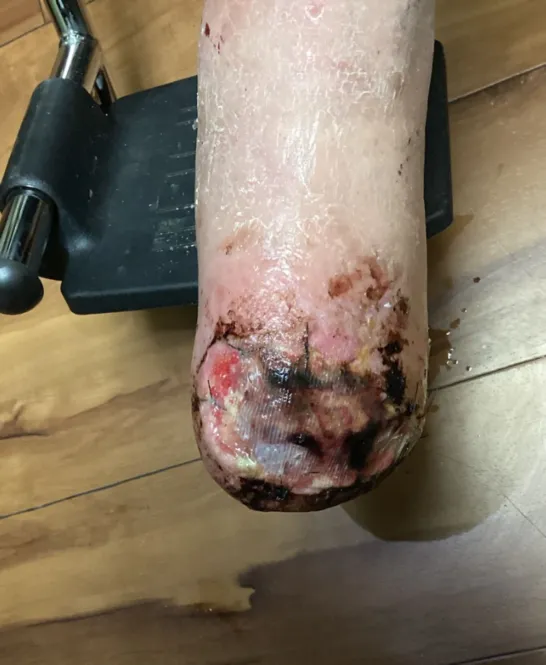
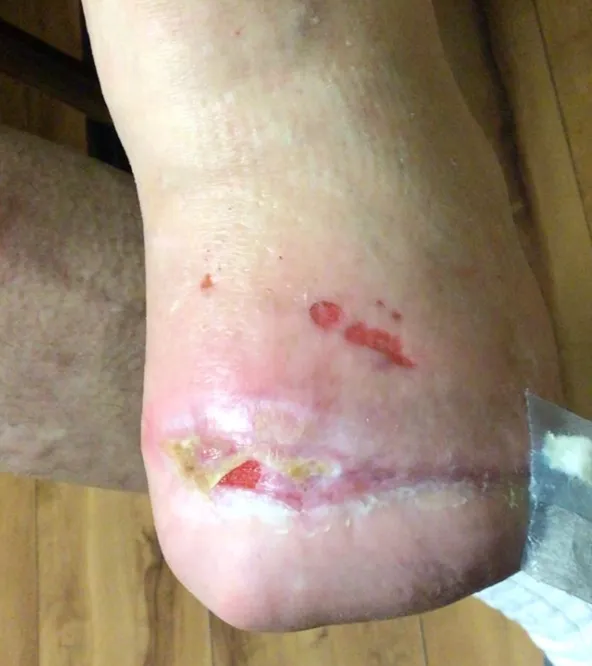
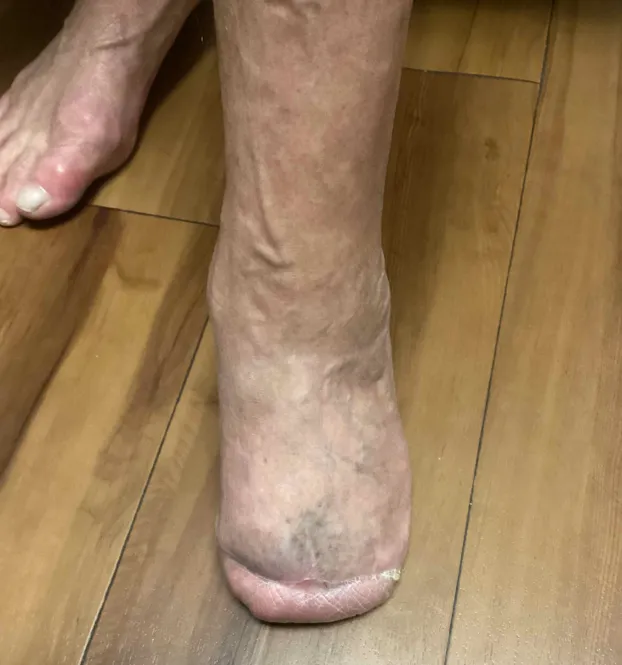
A non-healing wound is a wound that does not significantly improve despite appropriate care. These wounds most commonly occur on the feet, ankles, or lower legs and are frequently associated with underlying arterial disease, venous insufficiency, or diabetes-related circulation problems.
Without proper blood flow and vein function, even small wounds can become serious.
Signs a Wound May Be Caused by Circulation Problems
-
A wound that has not healed after several weeks
-
Pain in the foot or leg, especially at rest
-
Coldness, numbness, or discoloration
-
Swelling of the lower leg
-
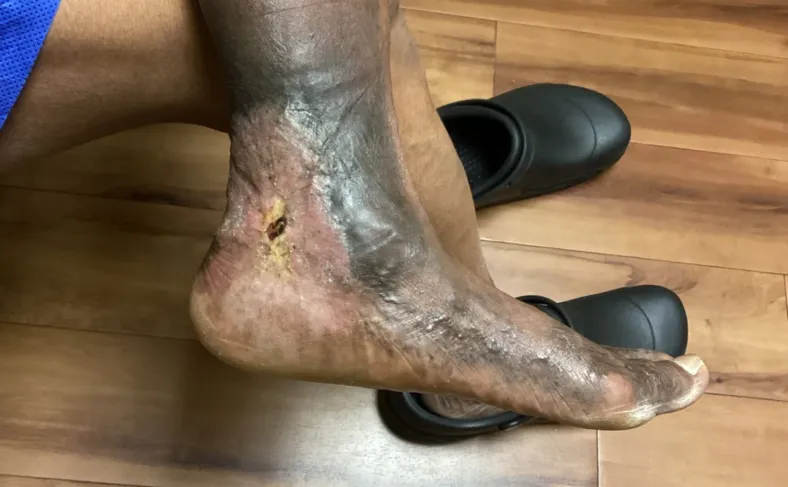
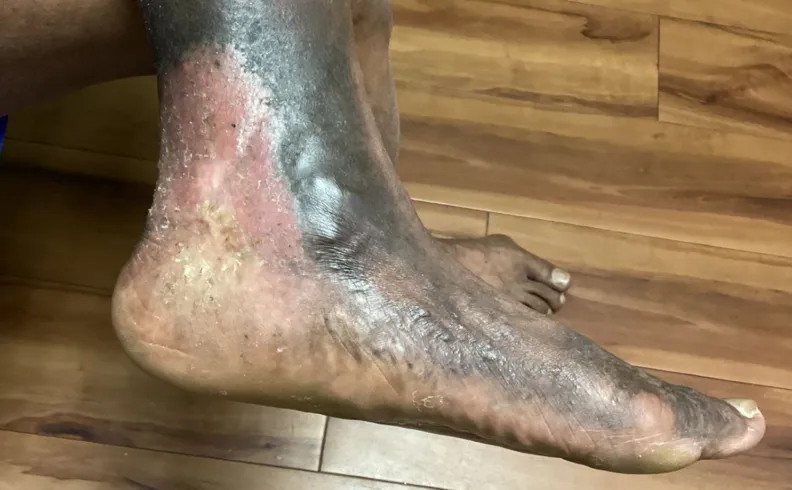
Skin thickening or darkening near the ankle
-
A history of diabetes or Peripheral Artery Disease (PAD)
Poor circulation prevents oxygen and nutrients from reaching the wound, delaying healing and increasing infection risk.
Common Causes of Non-Healing Wounds
Peripheral Artery Disease (PAD)
PAD occurs when arteries become narrowed or blocked, reducing blood supply to the legs. When arterial flow is insufficient, wounds may not heal and can progress to serious complications.
Chronic Venous Insufficiency
Venous insufficiency develops when veins cannot properly return blood to the heart. Increased venous pressure can cause swelling, inflammation, skin breakdown, and venous ulcers.
Diabetes-Related Circulation Problems
Diabetes increases the risk of both arterial disease and nerve damage, making wounds more difficult to detect and slower to heal.
Why Treating the Surface Alone Often Fails
Many wound treatments focus only on cleaning and dressing the wound. However, if the underlying circulation problem is not addressed, healing may not occur.
Identifying whether the wound is arterial, venous, or mixed in origin is critical for proper treatment and long-term healing.
How We Evaluate Non-Healing Wounds
At Texas Vascular & Vein Center, evaluation may include:
-
Vascular ultrasound to assess arterial and venous blood flow
-
Venous reflux ultrasound testing
-
Ankle-Brachial Index (ABI) testing
-
Intravascular Ultrasound (IVUS) for detailed arterial imaging
-
Advanced imaging when needed
This comprehensive evaluation allows us to determine the precise cause of impaired healing.
Advanced Treatment Options
Texas Vascular & Vein Center specializes in minimally invasive, image-guided procedures designed to restore circulation and promote wound healing.
Arterial Treatment Options (Angiogram)
Angioplasty
A balloon catheter is used to open narrowed or blocked arteries and improve blood flow.
Stenting
When necessary, a vascular stent is placed to maintain vessel patency and optimize circulation.
Atherectomy
A specialized technique used to remove plaque buildup in complex or heavily calcified arteries.
Intravascular Lithotripsy (IVL)
Advanced sonic pressure wave technology used to treat calcified arterial blockages and improve vessel expansion.
Venous Treatment Options for Wound Healing
In patients with venous ulcers or chronic venous insufficiency, improving vein function is essential for healing.
Radiofrequency Ablation (RFA)
A minimally invasive procedure that uses heat energy to close malfunctioning veins and improve circulation.
VenaSeal™ Closure System
A medical adhesive procedure used to seal diseased veins without heat or extensive downtime.
Sclerotherapy
Injection treatment used to close abnormal veins contributing to venous hypertension and skin breakdown.
Correcting venous reflux can significantly reduce swelling and improve wound healing.
Surgical Bypass (When Indicated)
In advanced or complex cases where minimally invasive therapy is not sufficient, surgical bypass may be performed in a hospital setting to restore blood flow.
When to Seek Immediate Medical Attention
Seek urgent medical care if you notice:
-
Rapidly worsening pain
-
Spreading redness or warmth
-
Fever
-
Blackened or necrotic tissue
Delaying evaluation increases the risk of infection and serious complications.
Non-Healing Wounds in Fort Worth and Surrounding Communities – Schedule a Vascular Evaluation
If you have a non-healing wound in Fort Worth or surrounding communities, early vascular evaluation can make a significant difference. Texas Vascular & Vein Center provides advanced diagnostic testing and minimally invasive treatment focused on restoring circulation and preserving limb health.
Schedule an appointment today to determine whether a circulation problem is contributing to your wound.