Duplex Ultrasound
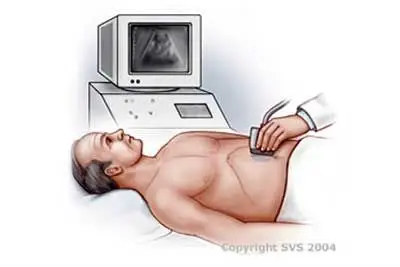
Duplex ultrasound is a non-invasive evaluation of blood flow through your arteries and veins . This test provides information to help your vascular surgeon make a sound diagnosis and outline a treatment plan. Accuracy is critical, so ultrasound testing should ALWAYS be performed by a credentialed sonographer in an accredited vascular laboratory.
Venous Duplex
A Venous Duplex ultrasound is a non-invasive imaging study used to evaluate the veins in the arms or legs. This test uses sound waves to assess blood flow and determine whether veins are functioning properly. It is commonly performed to detect blood clots (deep vein thrombosis or DVT), venous reflux (valve dysfunction), chronic venous insufficiency, or vein obstruction. The study allows your vascular specialist to see both the structure of the veins and the direction of blood flow in real time. This exam is painless, does not involve radiation, and plays a critical role in diagnosing swelling, leg pain, varicose veins, and non-healing wounds.
Arterial Duplex
An Arterial Duplex ultrasound evaluates the arteries that carry oxygen-rich blood from the heart to the arms or legs. Using advanced Doppler technology, this test measures blood flow velocity and identifies narrowing or blockages caused by plaque buildup (Peripheral Arterial Disease or PAD). It helps determine the severity and location of arterial disease and guides treatment decisions. This exam is commonly recommended for patients experiencing leg pain with walking, non-healing wounds, cold feet, or decreased pulses. The test is safe, non-invasive, and does not require radiation or contrast dye.
Abdomen Venous
An Abdominal Venous Duplex ultrasound evaluates the major veins within the abdomen, including the inferior vena cava and other central veins. This study is used to detect blood clots, compression syndromes, or abnormal blood flow within the abdominal venous system. It may also be ordered when patients have unexplained swelling, pelvic congestion symptoms, or concerns related to prior clotting events. The exam provides real-time visualization of vein structure and blood flow patterns and is performed without radiation.
***For any abdominal ultrasounds, do not eat, smoke or chew gum 3-4 hours before your appointment.***
Abdomen Arterial Duplex
An Abdominal Arterial Duplex ultrasound evaluates the arteries within the abdomen, including the aorta and its major branches. This study is commonly used to screen for or monitor abdominal aortic aneurysms (AAA), assess narrowing in the renal or mesenteric arteries, and evaluate blood flow abnormalities. The test allows your physician to measure vessel size and detect plaque buildup or dilation before complications occur. It is painless, non-invasive, and an essential tool in early detection of serious vascular conditions.
Carotid Duplex
A Carotid Duplex ultrasound evaluates the carotid arteries in the neck, which supply blood to the brain. This study helps detect narrowing (stenosis) caused by plaque buildup, which can increase the risk of stroke. Using Doppler technology, the exam measures blood flow velocity and identifies areas of blockage or turbulence. It is often recommended for patients with stroke symptoms, transient ischemic attacks (TIAs), carotid bruits, or cardiovascular risk factors such as high blood pressure, diabetes, or smoking history. This non-invasive test provides critical information for stroke prevention and vascular risk management.
Be sure to wear clothing with an open neckline.
Ankle-Brachial Index or ABI Test
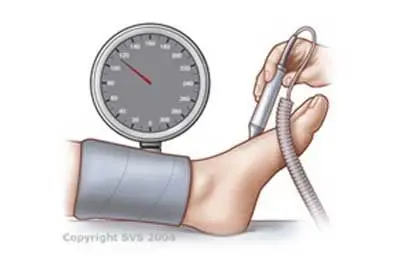
A non-invasive test that uses inflatable cuffs to gauge circulation (blood flow) and measure blood pressure in the arteries at various locations on the thigh, calf, foot and toes. Done in an outpatient clinic or vascular laboratory.
Minimal, brief discomfort, similar to what you feel while having a routine blood pressure test with an inflatable arm cuff.
For the test, wear clothing that allows for easy access to your high, calf, ankle and foot. Bring extra dressing supplies to cover any wounds/ulcers as dressings may need to be removed.